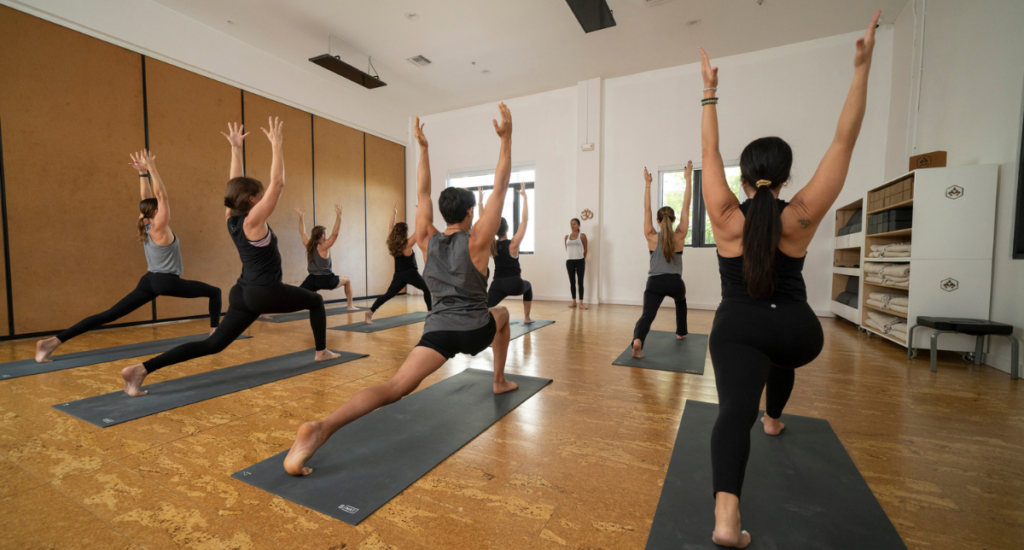
Self-care is often framed as movement, nutrition, skincare, meditation, or rest. But there is another part of whole-self wellness that deserves a more open, shame-free conversation: self-pleasure.
At WellNXT, we believe wellness is not one-dimensional. It includes how we move, how we nourish ourselves, how we manage stress, how we connect with others, and how we connect with ourselves. Self-pleasure can be one small but meaningful way to support that connection.
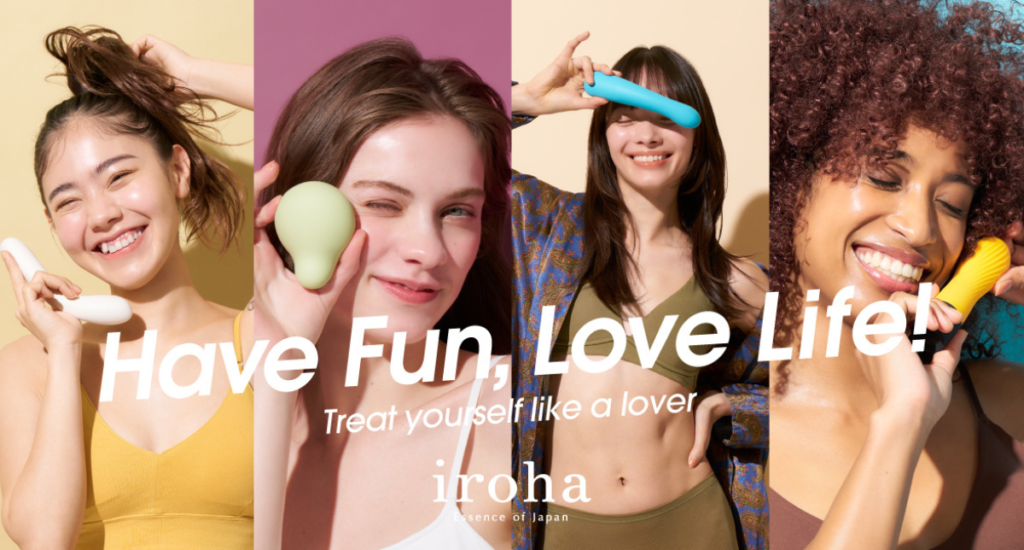
This May, in honor of Masturbation May, we’re spotlighting iroha and the idea that even a few intentional minutes of self-pleasure can become part of a consistent self-care routine.
And the keyword is routine.
It is not about pressure, performance, or a specific outcome. It is about creating space to slow down, listen to your body, and reconnect with what feels good.
Why self-pleasure belongs in the self-care conversation
For many people, self-pleasure is still surrounded by stigma, silence, or discomfort. But from a wellness perspective, it can be understood as a form of body awareness, stress relief, and emotional care.
Masturbation is widely recognized as a normal sexual behavior, and sexual well-being is part of overall well-being. Planned Parenthood notes that masturbation may help release sexual tension, reduce stress, support sleep, and improve body awareness.
That matters because self-care is not only about what we do for our bodies externally. It is also about how safe, connected, and confident we feel inside our bodies.
Self-pleasure can offer a private, low-pressure way to explore that connection. For some people, it may support relaxation. For others, it may help build confidence, ease tension, or create a more positive relationship with their body.
The mood connection: why a few intentional minutes can matter
iroha’s message for Masturbation May is simple: around 5 minutes of self-pleasure can boost your mood.
That does not mean self-pleasure is a cure-all. It does not replace mental health support, therapy, medical care or other wellness practices. But it can be one accessible tool within a larger self-care routine.
Sexual arousal and orgasm involve complex interactions across the brain, nervous system and endocrine system. Researchers have found that sexual desire, arousal and orgasm are connected to both the somatic and autonomic nervous systems, meaning the experience is not just physical—it is deeply connected to the body’s broader regulation systems.
Hormones and neurotransmitters such as oxytocin, prolactin and endorphins are often discussed in relation to sexual arousal, orgasm, relaxation and bonding. Research also suggests that oxytocin may influence parts of the brain involved in fear and anxiety response, including the amygdala.
In everyday terms, that means pleasure can be connected to how the body experiences calm, comfort and emotional release.
Self-pleasure and confidence
Confidence is not only about how we look. It is also about how connected we feel to ourselves. A consistent self-pleasure practice may help some people feel more comfortable with their bodies, more aware of what they enjoy and more connected to their own needs. That kind of self-knowledge can support sexual confidence, body confidence and a deeper sense of self-trust.
A 2024 systematic review examined the relationship between solitary masturbation and sexual satisfaction. The findings were nuanced, with results varying across studies and populations, but the review reinforces that masturbation is part of sexual well-being and that sexual satisfaction is an important dimension of overall wellness.
This is important because sexual wellness is often treated as separate from mental, emotional or physical wellness. In reality, they are connected. Feeling comfortable in your body can influence how you show up in relationships, how you care for yourself and how you move through the world.
Consistency over perfection
The goal is not to turn self-pleasure into another item on a wellness checklist. Instead, think of it as a small ritual of reconnection. That may look like five quiet minutes before bed. It may be part of a wind-down routine. It may be a way to release tension after a stressful day. It may simply be a moment to be present with yourself without judgment.
Like many wellness practices, the benefit is often less about doing it once and more about creating a consistent, compassionate relationship with your body over time.
A self-pleasure routine can be:
Private: It is for you, on your terms.
Pressure-free: There is no right way to experience pleasure.
Body-led: You get to notice what feels good, what does not and what helps you feel grounded.
Confidence-building: It can support a stronger sense of comfort and connection with yourself.
Accessible: It does not require a complicated setup or a large time commitment.
Reframing pleasure as part of whole-self wellness
Whole-self wellness means making space for all parts of being human: physical, mental, emotional, social and sexual. Pleasure is not separate from wellness. It can be part of how we regulate, reconnect and remember that our bodies are not just something to improve, manage or push through. They are something to listen to and care for.
For iroha, Masturbation May is an opportunity to help normalize self-pleasure as a form of self-care. It is a chance to move the conversation away from shame and toward confidence, curiosity and emotional well-being.
Because sometimes, self-care does not have to be complicated. Sometimes, it can start with five intentional minutes.
Shop the iroha Masturbation May Sale
Ready to make self-care more intentional?
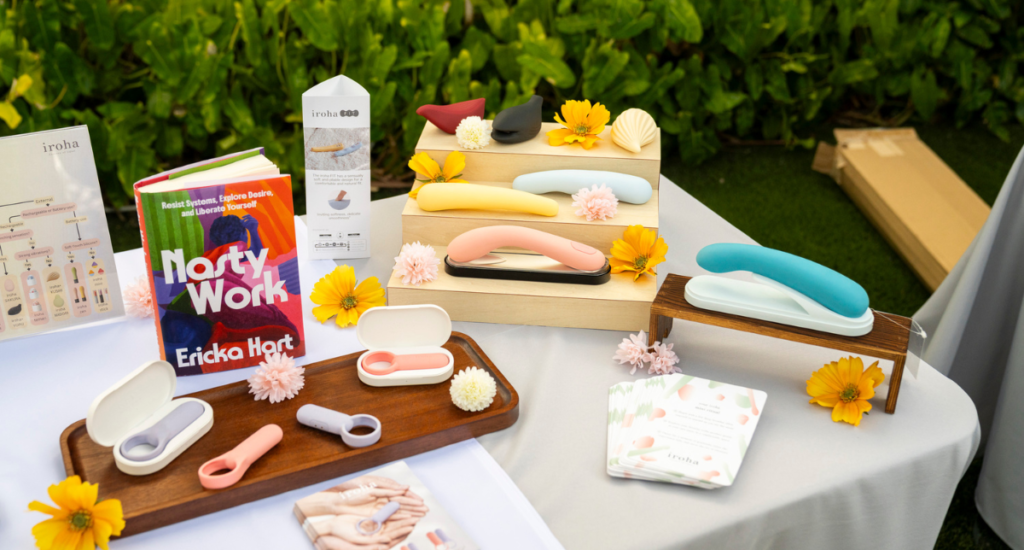
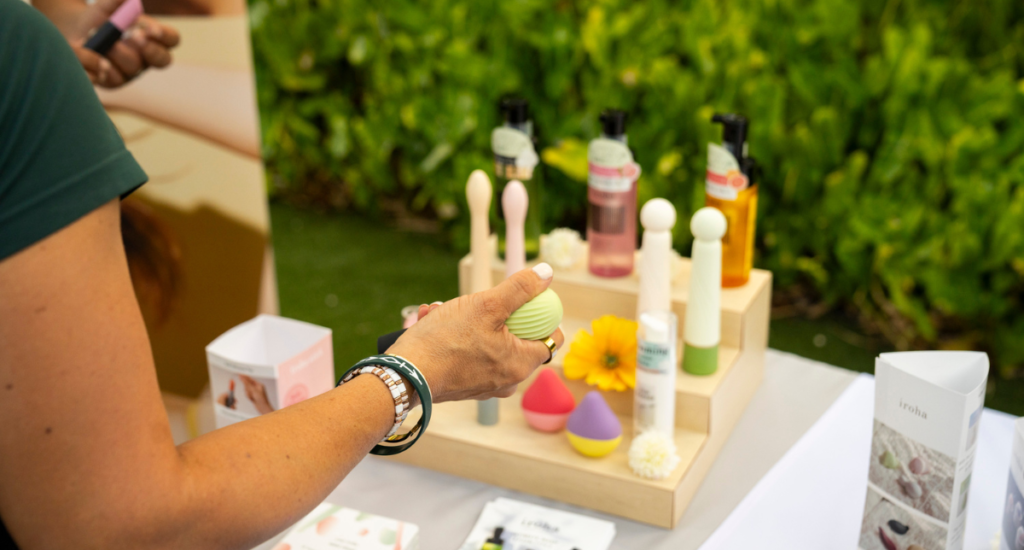
Visit iroha store USA and take advantage of the iroha Masturbation May Sale. iroha is currently offering a sitewide sale. Shop here: https://usstore.iroha.com/ We also want to thank iroha for being a part of WellNXT Miami x Fest 2026!
Note: This article is for educational and wellness content purposes only and is not intended as medical advice. If you have questions about sexual health, mental health or physical symptoms, consult a qualified healthcare professional.